In 2018, a crisis broke out on Crete, Greece’s largest and most-traveled-to island: blue crab dominated fishermen’s worn-out, yellow nets. Since then, several other invasive species have infested the waters and reduced the trove of the fishermen’s usual catch.
George Egglezakis, the owner of Despina Tavern, an upscale eatery in Elounda Bay, watched his two-generation fisherman father struggle. The typical sea bream and grouper had now been replaced with blue crab and lionfish, the latter of which can be toxic to humans. No restaurant wanted to buy these never-before-seen aliens.
Instead of seeing these invasions as a weakness, Egglezakis turned them into a strength. By adding blue crab and lionfish to the menu of Despina Tavern as appetizers, Egglezakis found a solution to make high-end dinners a planet-saving experience.
Global warming and humanity’s increase in carbon dioxide emissions are having a profound effect on the oceans, causing these invasive species to migrate to new locations. The temperature of the Mediterranean Sea has warmed to the same level as the Red Sea, drawing blue crab and lionfish through the Suez Canal.
These invasive species have begun dominating the seas surrounding Elounda Bay, eliminating competition and reproducing at record rates. While some invasive species, like rabbit fish, are fully toxic, blue crab and lionfish are edible with precautions taken. By getting rid of these non-native species in the sea through cheffing them up, Egglezakis and his cooking crew are doing their small part to prevent a complete Mediterranean takeover.
“Anyone who loves the sea sees how much it has changed in the last 10 years,” Egglezakis said. As an ocean lover and son of a fisherman himself, Egglezakis feels both excited and confident about his contribution to combating climate change.
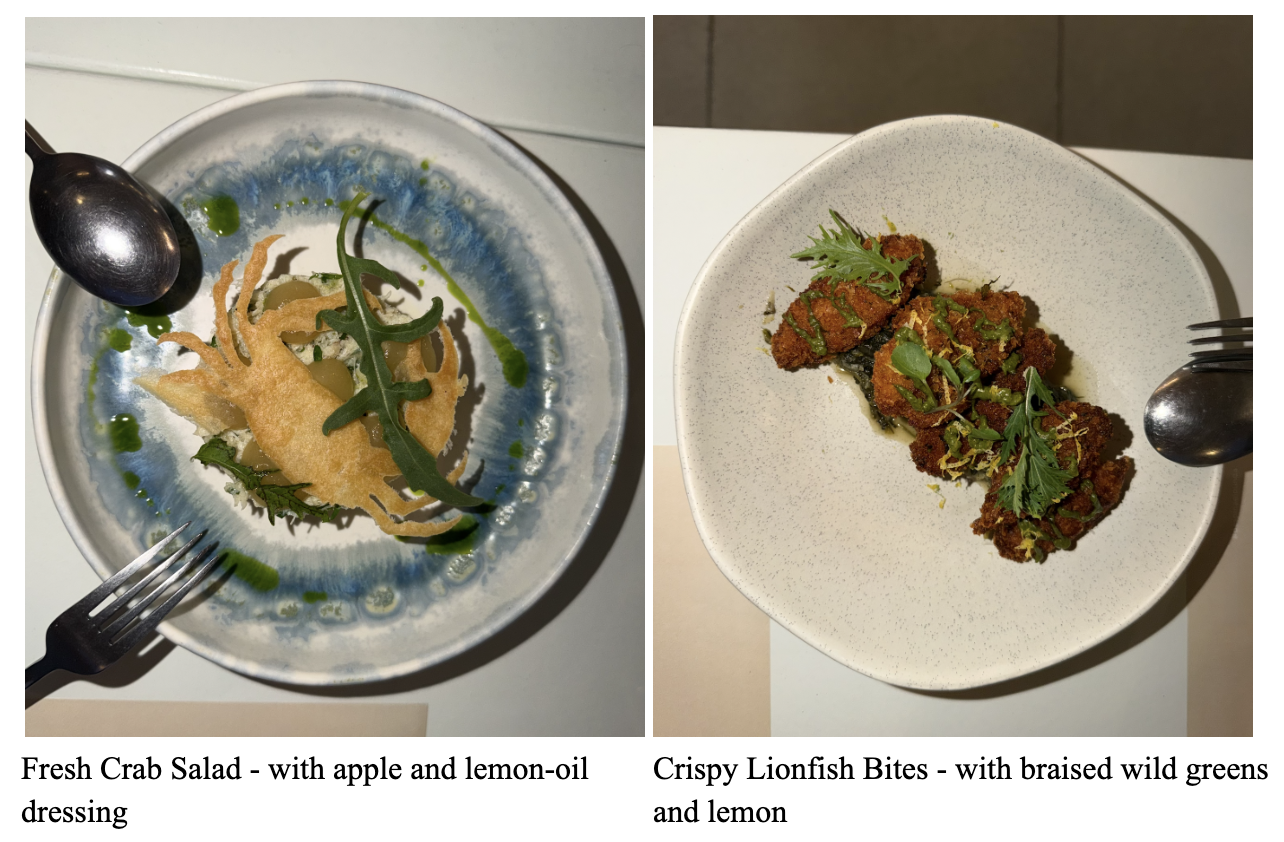
Egglezakis and his chefs have turned the blue crab and lionfish into a Fresh Crab Salad and Crispy Lionfish Bites. These items have become some of the most popular eats on the menu. Originally worried about what customers would think about these unheard-of mouthfuls, Egglesakis asked chefs to try several recipes before finalizing an updated menu.
Chef Dimitri Skyralos is just one of the esteemed cooks who sought to create the best versions of the dishes possible. Today, Skyralos completes special cleanings with scissors to cut off lionfish spikes and steams blue crab in a special oven that shocks them at 100 degrees every day to prepare the two animals for consumption and satisfy taste buds.
The shredded blue crab mixed with apple and lemon-oil dressing, priced at 16 euros, is simple yet refreshing. While this sea creature lends itself to a minimally sour salad, the lionfish, with its tender, savory flavor, is better suited when fried into a nugget shape. With braised wild greens and lemon, this 15-euro dish features the perfect amount of crunch, accompanied by just enough chew.
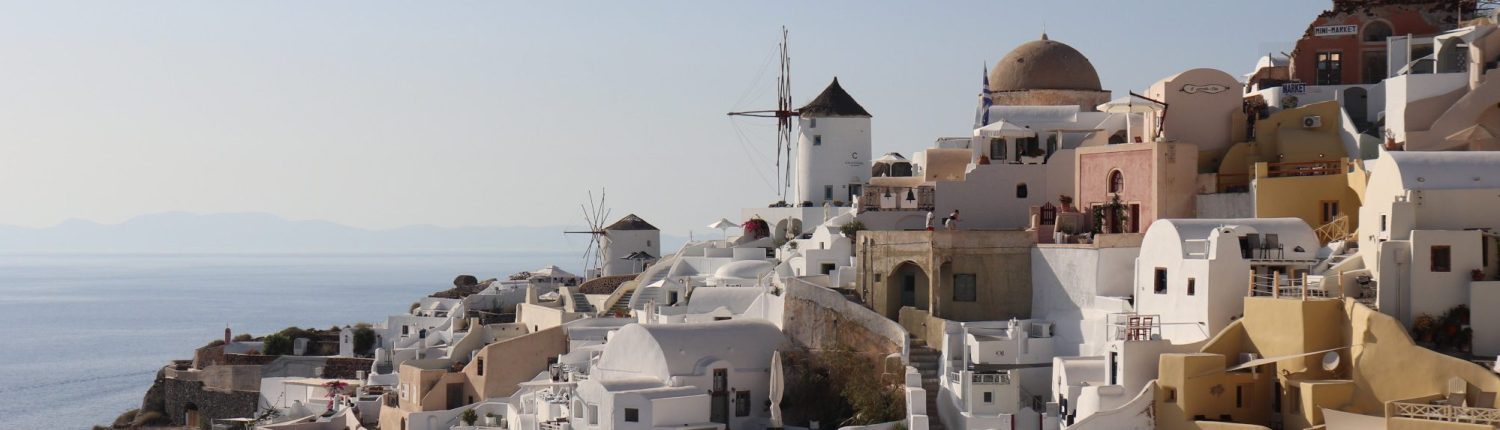
Looking out at the pink and purple hues of the mountain horizon, coupled with the crystal sea beneath, makes for the perfect ambience, catering to both tourists and locals. Ordering delectable appetizers while knowing that they help preserve this view is nothing but fulfilling.
It is easy to get distracted by the chic interior, welcoming staff, and tasty eats, and become unaware of this sustainable excitement. As the hospitality of the sea changes, that of Despina Tavern never does.