It was late in the Summer of 2023, and the Greek island of Paros was rejoicing: it wasn’t just the summer festivities that had residents jubilant. On the sandy beaches of Santa Maria and Marcello, a people’s movement was coalescing in real time.
The Save Paros movement, a hundreds-strong group of Parean citizens upset with the rise of illegal sunbeds on their beaches, were protesting for their constitutional right to lounge on public beaches to be honoured. The fight was a mobilizing one that led to concrete actions by the federal government, who levied fines against illegal sunbed operators.
For activists, including Caroline Hall, one of the founders of the Save Paros Movement, the feeling was hopeful: “The people had collaborated and been victorious.”
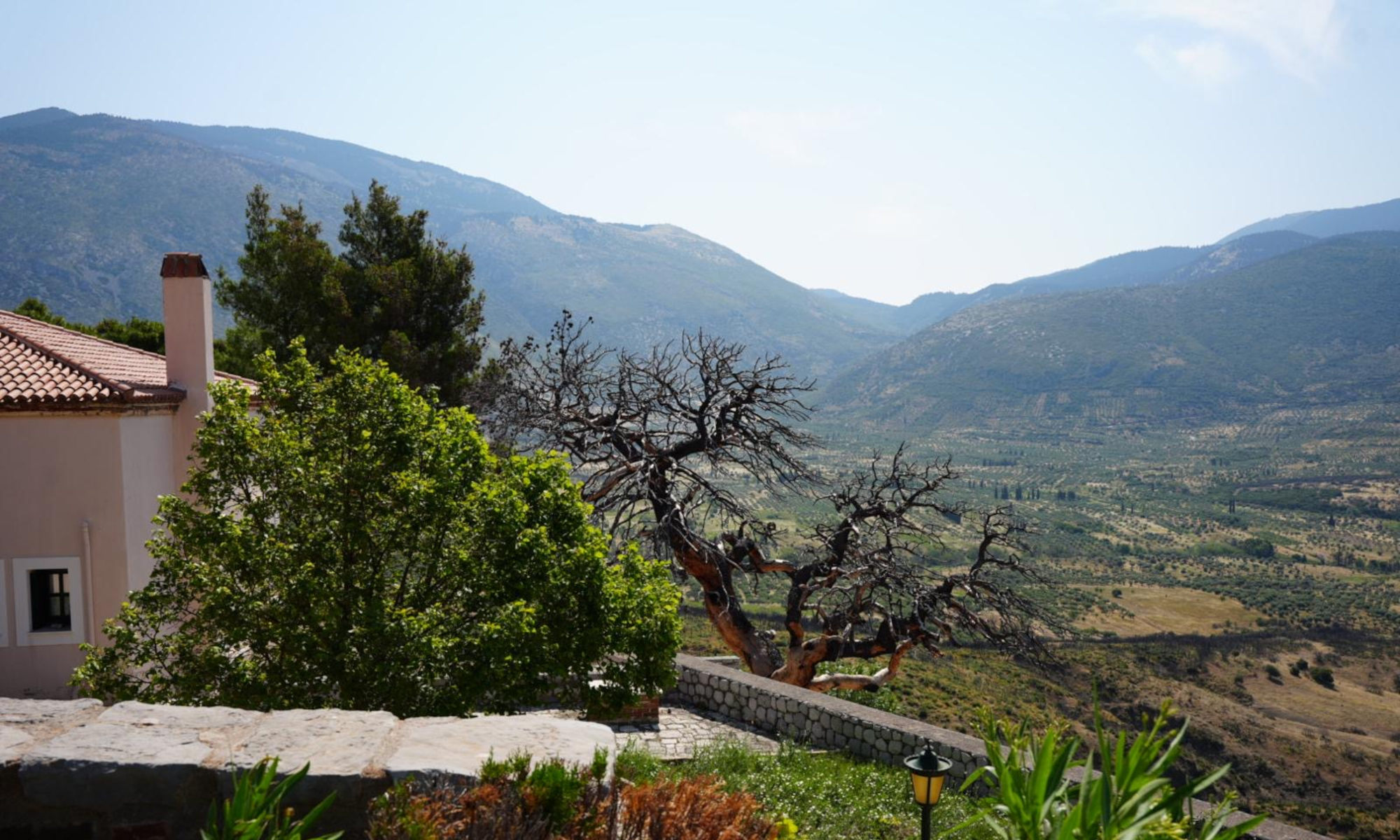
For activists like Hall, it felt like this could be a watershed moment: finally, the people could rise up against the overtourism the island had experienced in recent years. But two years later, from the perch of her farm-house in the hill-top settlement of Kamares overlooking the sea, she asks: where are all the people now?
The story of Paros, as a town, has been intertwined with tourism since the mid-century, when the notion of the “Greek Summer” became increasingly romanticized among European tourists. Paros, with its aquamarine water and picture-perfect white towns, was the ideal place to vacation. It wasn’t until the late 2010s, however, that Paros became a point of pillage for foreign investors who jumped at the opportunity to buy cheap land in the islands. According to Giorgios Lialios, a journalist at Kathemerini who reports on climate and tourism, the effects were “a disaster.” Vacation homes and have used up the island’s scarce water supply, and many of them were – and still are – illegally constructed on unofficial roads, violating Greece’s strict zoning laws. Despite the effects on locals, unlike with private beaches, the public response has been muted. According to Hall, where hundreds used to attend citizens’ meetings, only “20 people show up now.”
Why is this? For many Pareans, the allure of foreign investment is too strong a pull to resist. According to Paros’ mayor, Costas Bizas, the island of 20,000 – without a university or proper medical facilities – isn’t suited for young people or the elderly, for whom the chance to cash out on their land and move to Athens “out of necessity” is a bet they’re willing to take, regardless of the effect it might have on the island.
Where does this leave the fight against over-development, then? Where public support is concerned, the citizens’ movement is in the process of pursuing legal battles against the construction of illegal properties on the island, and a new urban plan for the island that decides which areas are suitable for construction is currently in its consultation phase. For Hall, the future of the island’s development “is unclear.” For now, though, at least they have the beaches.
Where Are All The People Now?
A galvanising fight to democratise the beaches of Paros inspired hope for activists on the island. Now, as the prospect of over-development threatens the nature of the island, is that same fighting energy replicable?
It was late in the Summer of 2023, and the Greek island of Paros was rejoicing: it wasn’t just the summer festivities that had residents jubilant. On the sandy beaches of Santa Maria and Marcello, a people’s movement was coalescing in real time.
The Save Paros movement, a hundreds-strong group of Parean citizens upset with the rise of illegal sunbeds on their beaches, were protesting for their constitutional right to lounge on public beaches to be honoured. The fight was a mobilizing one that led to concrete actions by the federal government, who levied fines against illegal sunbed operators.
For activists, including Caroline Hall, one of the founders of the Save Paros Movement, the feeling was hopeful: “The people had collaborated and been victorious.”
For activists like Hall, it felt like this could be a watershed moment: finally, the people could rise up against the overtourism the island had experienced in recent years. But two years later, from the perch of her farm-house in the hill-top settlement of Kamares overlooking the sea, she asks: where are all the people now?
The story of Paros, as a town, has been intertwined with tourism since the mid-century, when the notion of the “Greek Summer” became increasingly romanticized among European tourists. Paros, with its aquamarine water and picture-perfect white towns, was the ideal place to vacation. It wasn’t until the late 2010s, however, that Paros became a point of pillage for foreign investors who jumped at the opportunity to buy cheap land in the islands. According to Giorgios Lialios, a journalist at Kathemerini who reports on climate and tourism, the effects were “a disaster.” Vacation homes and have used up the island’s scarce water supply, and many of them were – and still are – illegally constructed on unofficial roads, violating Greece’s strict zoning laws. Despite the effects on locals, unlike with private beaches, the public response has been muted. According to Hall, where hundreds used to attend citizens’ meetings, only “20 people show up now.”
Why is this? For many Pareans, the allure of foreign investment is too strong a pull to resist. According to Paros’ mayor, Costas Bizas, the island of 20,000 – without a university or proper medical facilities – isn’t suited for young people or the elderly, for whom the chance to cash out on their land and move to Athens “out of necessity” is a bet they’re willing to take, regardless of the effect it might have on the island.
Where does this leave the fight against over-development, then? Where public support is concerned, the citizens’ movement is in the process of pursuing legal battles against the construction of illegal properties on the island, and a new urban plan for the island that decides which areas are suitable for construction is currently in its consultation phase. For Hall, the future of the island’s development “is unclear.” For now, though, at least they have the beaches.
On Athens Time
It was five in the morning and outside the black receptacle that is SMUT, one of Athens’ premier techno clubs, the party was moving outside. There were still five hours left in the program for the night’s lineup, but streaming out of the venue, with handheld fans and smudged eyeliner, a mass of ravers were forgoing the bass to congregate on the road, splaying on the sidewalks and leaned up against the tyres of parked cars with water bottles in hands, deep in debrief.
Arriving in Athens last week, one of the first things that struck me was how the city comes alive at night. During the day, the cloying heat makes going out impossible, or, at the least, an uncomfortable exercise in jumping from shadow to shadow to avoid the harsh summer sun. But, during the night, as temperatures become cooler, the landscape – from the benches in Syntagma Square to the side streets of Exarchia – transforms into a space of connection for nocturnal Athenians. “A big home,” is how Anastasiia Mitrohina, a SMUT patron who moved to the city two months ago described the outdoor culture to me, “especially when it’s hot.”
For Athenians, the outdoors has long represented a natural plane of connection. According to Panos Dragonas, a professor of architecture based out of the University of Patras, the phrase of the Greek intellectual Pericles Giannopoulos – ‘life in Greece is outdoors’ – has long been a guiding vision for Greek residential architecture, made evident through the terraces and green spaces ubiquitous in and around most apartment buildings. As someone who grew up in Ireland, socialising outdoors is an unfamiliar concept. In Dublin, where summer nights rarely reach above 15 degrees Celsius and are typically accompanied by a smattering of rain, the outdoors are largely inaccessible. Social life is pushed indoors, into pubs where buying a drink is the price of entry, and limited seating means people are often turned away. In that sense, the city feels like it’s behind a paywall: unlike in Athens, access to being part of the community often comes at a literal price.
Back at SMUT, it was seven in the morning. The sun had risen and all around, ravers were picking themselves up off the sidewalk and rushing into their cabs. The wait for my own Uber gave me ample time to reflect on the nightlife of Athens I had experienced thus far – from midnight runs to the local periptero to late-night dinners at restaurants in our own neighbourhood of Pangrati. Sitting on the sidewalk, I felt certain of two things: I’d sleep through the heat when I got home, and this summer, the night would be there for us always, extending an open invitation.
Rory Rusnak

Rory Rusnak is a member of Princeton’s Class of 2028, a prospective anthropology major who plants to pursue minors in journalism and creative writing. He is a part of the Features section of The Daily Princetonian. Outside of this, he has reported on youth movements, the climate crisis and local politics. His current reporting interests include art and culture.
“On Athens Time” / “Where Are All The People Now?” / “He Who Believes Shall Not Be Afraid”