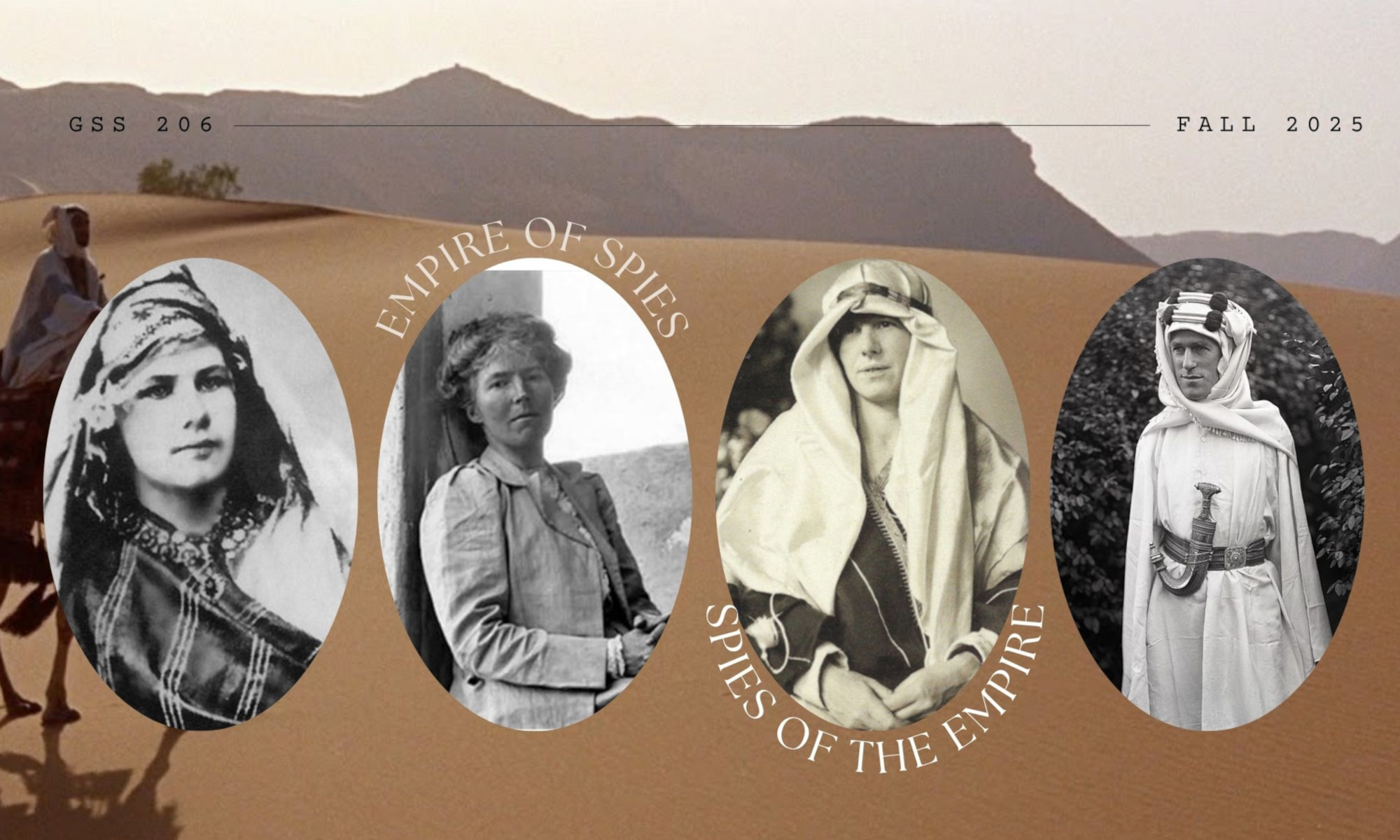
Excerpt from The Valleys of the Assassins by Freya Stark, p. 47:
I bought the jar, collected the skull — which broke into pieces in my hand and required careful packing — and came away none too pleased with the morning’s result, for I had hoped for a grave of the Bronze Age, and it was now quite useless to expect the tribe to dig again. Their misgivings as to the permissibility of carrying away people’s bones had been allayed by the fact that the skeleton had obviously not been laid in the direction of Mecca; but they were still nervous about the Persian law of antiquities, which has brought punishment for illicit dealing in bronzes on to several of the tribes. The government occasionally send spies and then get the chiefs to pay fines, and are really making praiseworthy efforts to save what is left of the graves in Luristan. I knew that what I was doing went directly against this law: but there were some extenuating circumstances.
My rewrite, changing from first to third-person:
Stark purchased the jar and collected the ancient skull, which came to pieces in her hands. She packed the fragments carefully away and regarded the morning with an air of disappointment. She had hoped to find a proper Bronze Age grave. Furthermore, she was fully in the belief that the tribe would not excavate again, despite the richness of archaeological potential here. They were displeased with the idea of walking off with human remains, though they were placated somewhat with the finding that the ancient skeleton had not been faced towards Mecca. Yet the tribesmen remained nervous about the Persian antiquities law, which had already punished several tribes for the blackmarket trading of bronzes. Now, the government did, on occasion, dispatch spies and force the tribal chiefs to pay fines – a noble effort to save the remnants of the Luristan graves. Stark was rather aware that her own actions were in violation of the antiquities law, but she had her reasons. The circumstances justified it.
The effect of the changes:
By removing the passage from Stark’s own POV and voice and shifting it into novel-style third-person narration, the rewrite distances the reader from Stark’s personally-motivated justifications and broadens the scope of issues addressed: placing more weight on the antiquities law, local tribes, and the ethics of archaeology, rather than on Stark’s desire to make archaeological discoveries from the perspective of an outsider. The narration preserves Stark’s private thoughts and attitude towards the activities and the tribes, but leaves to the reader to judge whether she is correct. The final line, “The circumstances justified it.”, is a more terse rewrite of “but there were some extenuating circumstances” (and from later in the paragraph, “I felt that one was justified in trying to discover as much as possible while one was on the spot.”). By stating this in a factual tone, the narration appears to agree with Stark, but the overall tone is critical.
When reading texts in the first-person, it is hard to divest oneself from the internal narrative of the author. Inherently, such texts are more personal, more emotional, and we identify with the human fears and desires of the writer. By removing a text from the first-person, the same emotions and internal dialogue can be captured, but the reader is empowered in a heightened sense to question each character encountered. While Stark remains the main character of the passage, the reader wonders about her affect on the others present, and if this rewrite had a broader scope, the reader would also be able to criticize or root for other characters beyond Stark, and gain perspective into their motivations and feelings about situations Stark engages with.

What a great exercise–and indeed, your thoughts on the effects of the change from 1st to 3rd person make perfect sense. So much changes in POV with that little narrative shift!