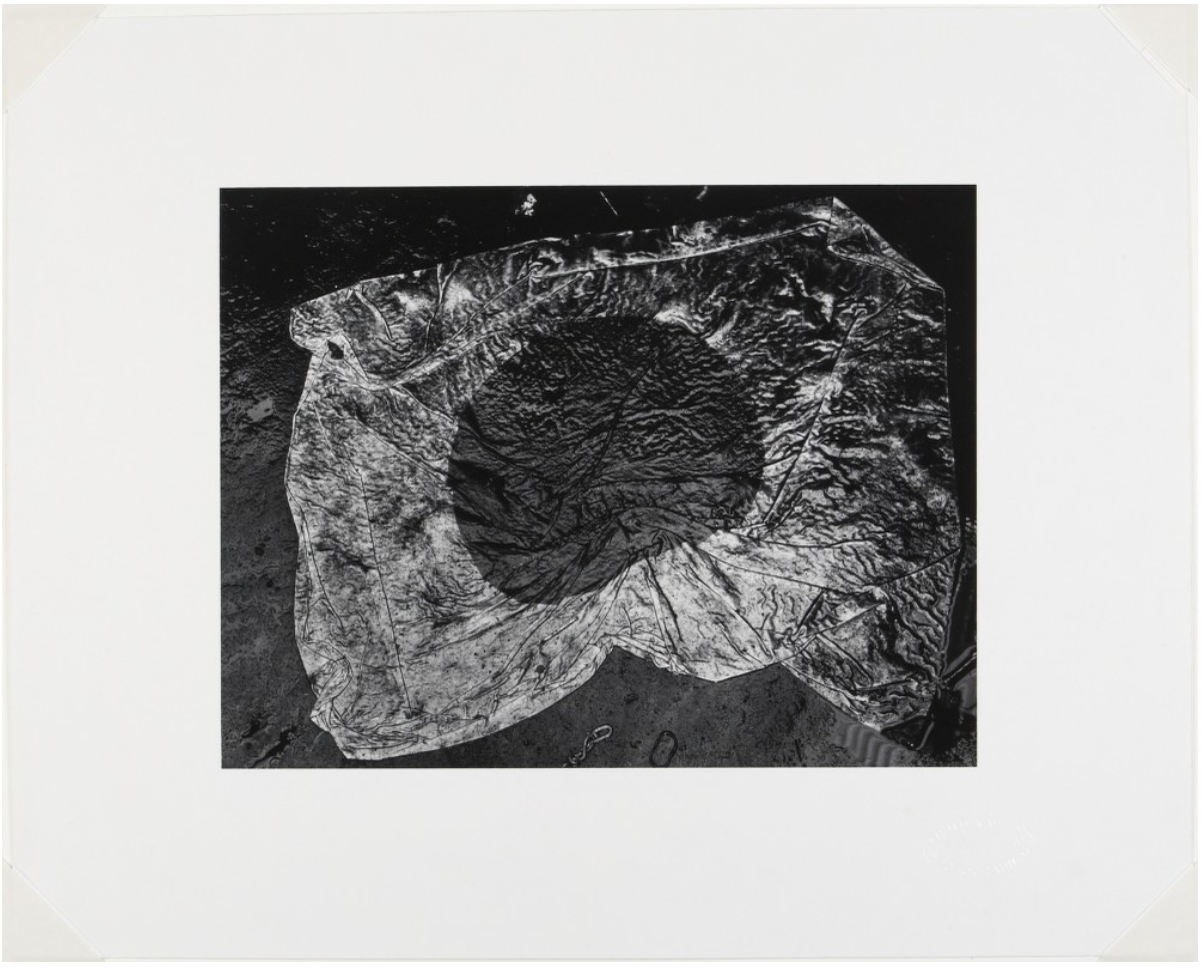
Kawada Kikuji 川田喜久治 (b. 1933)
The Japanese National Flag, 1960, printed 1973
Gelatin silver print
image: 18.5 x 24.1 cm. (7 5/16 x 9 1/2 in.)
sheet: 30.3 x 37.9 cm. (11 15/16 x 14 15/16 in.)
Princeton University Art Museum. Gift of Robert Gambee, Class of 1964
© Kikuji Kawada
This photograph documents a discarded Japanese National Flag (Hinomaru 日の丸) on the ground after the 1960 student demonstration against Japan’s Security Treaty renewals with the United States.[1] As indicated by the footprint in the lower right corner of the picture, the crumpled flag was probably trampled by the student protesters during the demonstration. The emblem that had once encouraged numerous spirited soldiers during the war now became the sign of a new political crisis in the 1960s. Once entitled “map,” this photograph appeared as a central piece in Kawada’s solo exhibition The Map at the Fuji Photo Salon in 1961. In a way that is both documentary and symbolic, the photograph of the wrinkled flag maps out the political unrest during a period of rapid economic recovery that, however, looks back on the turmoil in the wartime.
The way that this photograph of the Japanese National Flag is presented in relation to other pictures in the photobook The Map creates a dynamic and provocative intertextual play that further complicates and fragmentates the viewer’s perception of the photographed subjects, thus creating a narrative that is neither linear nor stable. The photograph of the Japanese National Flag is presented in the photobook The Map in a provocative way in relation to other pictures. In the photobook, the photograph of the flag is printed on two facing centerfold pages with a kannon-biraki fold that splits the flag from the middle (Fig. 8-1). The double-page photograph can be opened out to unveil a four-panel horizontal image of the A-Bomb Dome (Fig. 8-2). Strong light sheds through the skeleton of the structure, and the resulted round, large light spots recall the light created by the exposure of the atomic bomb. As the viewer folds the four-leaf pages back and turns to the next two facing pages, one sees a photograph that captures the geometric pattern of shadow and light on the wall of the A-Bomb Dome (Fig. 8-3). This abstract rendition of the structure distances the photographic image from the original location and subject matter of the Dome. This strategy of abstraction is brought into even a higher point in the photograph of the same subject matter on the next two pages with a kannon-biraki fold in the middle (Fig. 8-4). The photograph’s high contrast between the light sky and the Dome’s dark skeleton almost turns the image of the Dome into a flattened graphic pattern. Through technical adjustment of exposure, shutter speed, and aperture and the fragmentation of the views of the Dome, Kawada “extract something abstract by cutting details from something concrete.” [2] This continuous tendency towards abstraction eventually reaches the peak in the next photograph printed on the four-panel page––a half view of the Rising Sun Flag (Kyokujitsu-ki 旭日旗) flown by the Imperial Japanese Navy during the war and by the Japan Maritime Self-Defense Force after 1954 (Fig. 8-5). The abstracted sun rays of the naval ensign bear a rough visual resemblance to the skeleton of the dome against the bright sky and resonate semantically with the sunspots in the previous two photographs.

Fig. 8-1. Page 157 and 158 from Kawada Kikuji 川田喜久治, The Map (Chizu 地図), 2005 reprint.
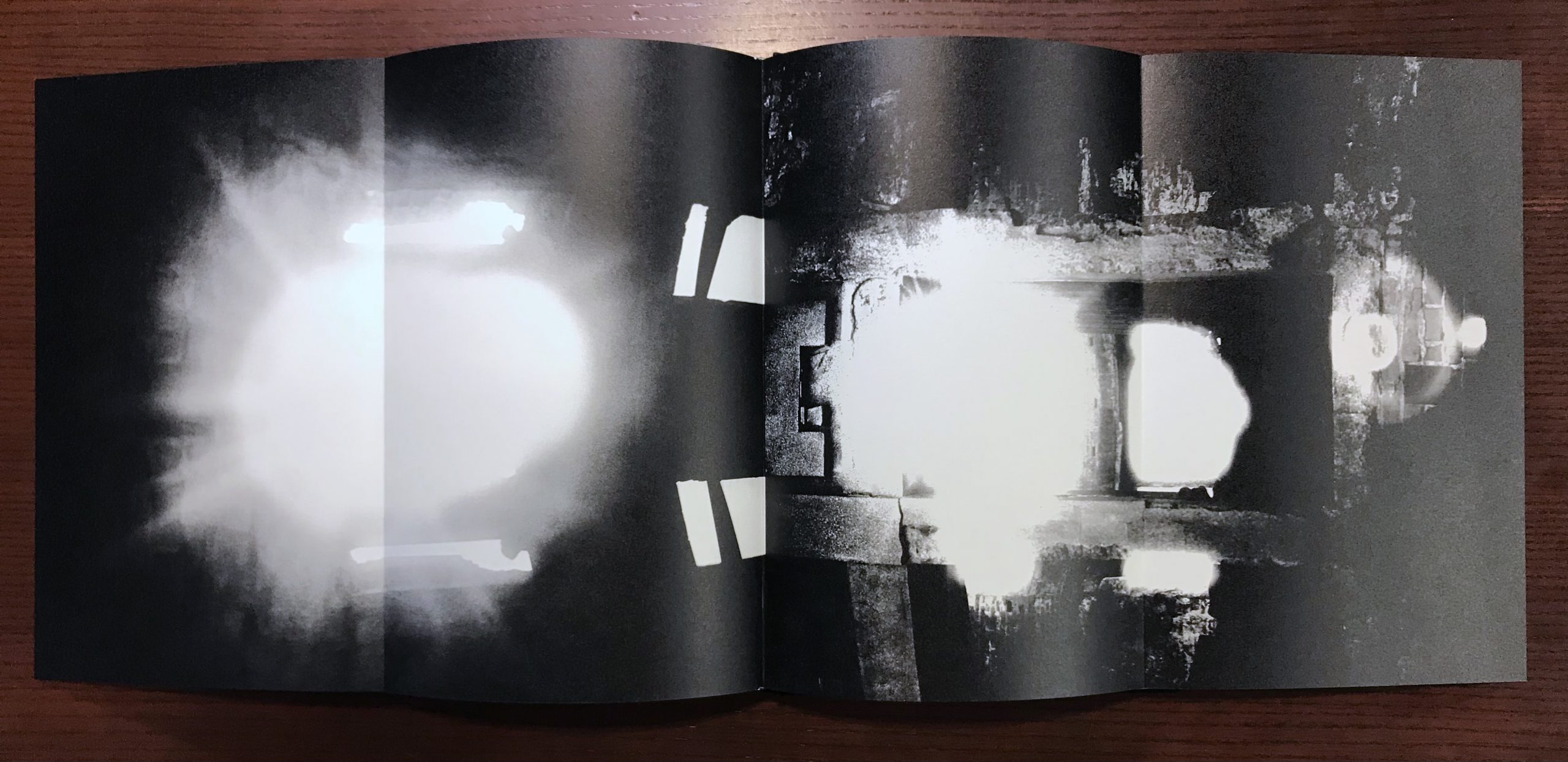
Fig. 8-2. Page 159–162 from Kawada Kikuji 川田喜久治, The Map (Chizu 地図), 2005 reprint.
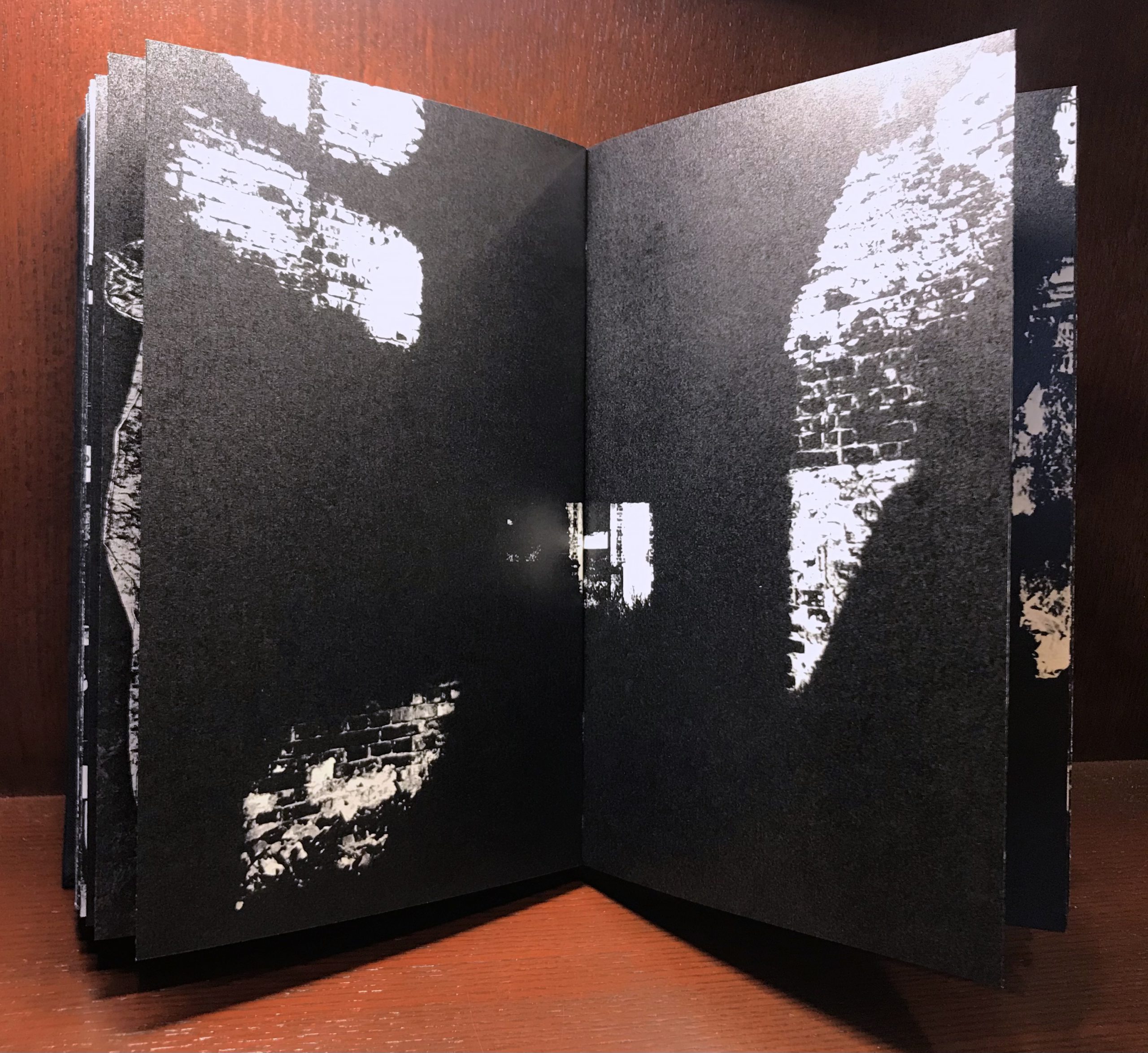
Fig. 8-3. Page 163 and 164 from Kawada Kikuji 川田喜久治, The Map (Chizu 地図), 2005 reprint.
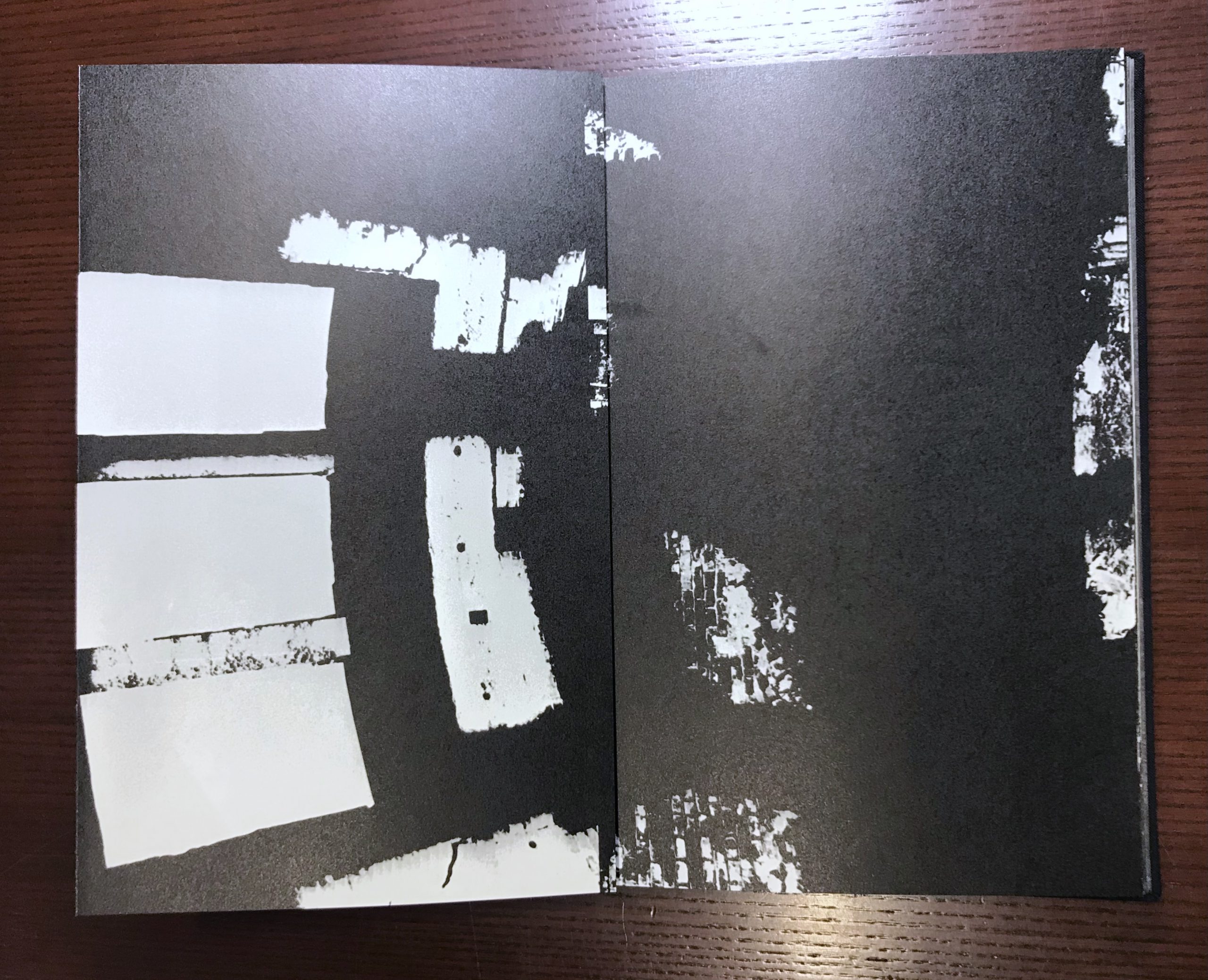
Fig. 8-4. Page 165 and 166 from Kawada Kikuji 川田喜久治, The Map (Chizu 地図), 2005 reprint.
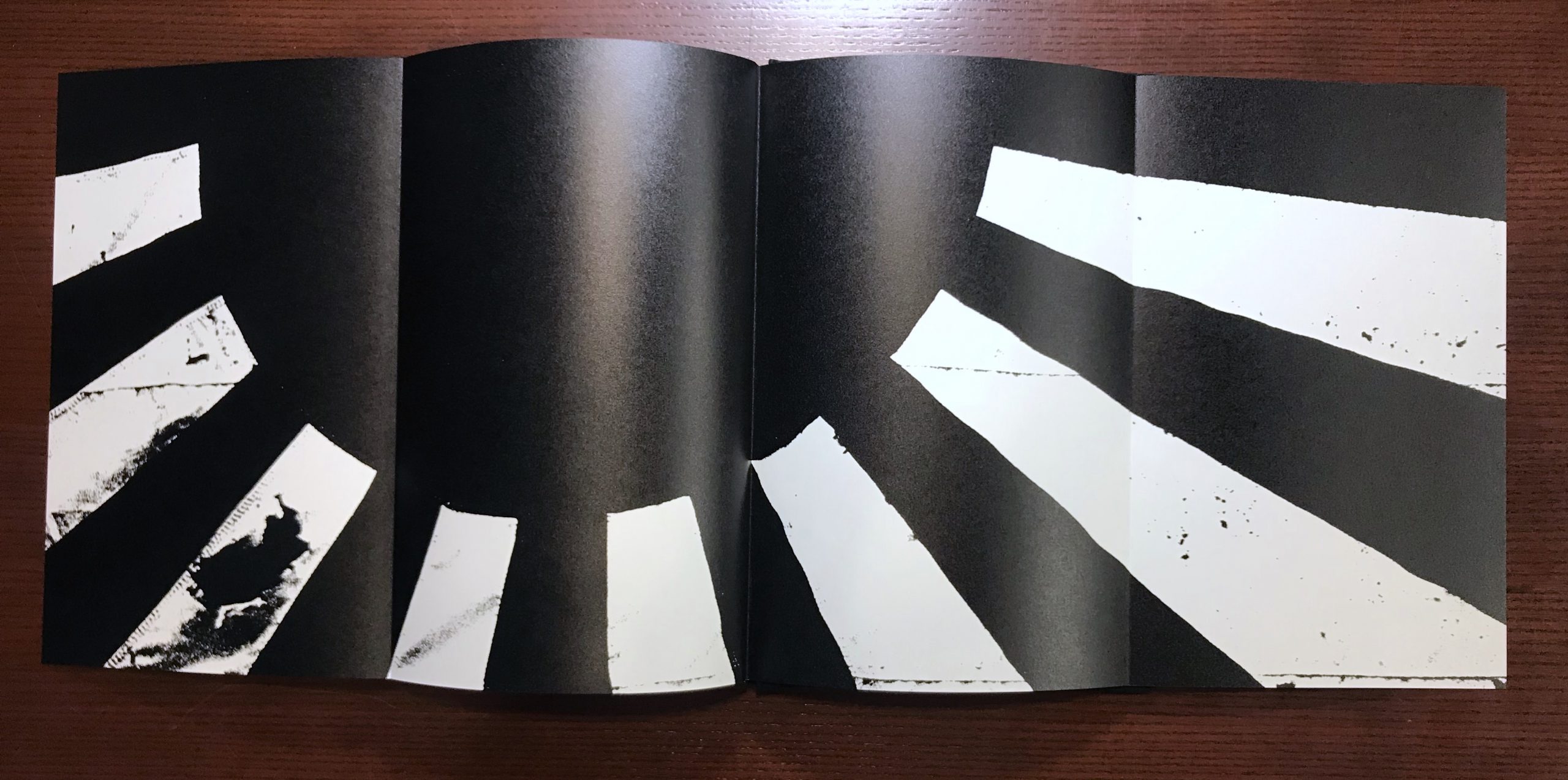
Fig. 8-5. Page 167–170 from Kawada Kikuji 川田喜久治, The Map (Chizu 地図), 2005 reprint.
Through strategies of abstraction and symbolism, this group of five photographs printed on two sets of kannon-biraki gatefold pages––starting with the photograph of a trampled Japanese National Flag and ending with the image of a partially viewed Japanese navel ensign––merges together architectural ruins from the wartime and national tokens available in the contemporary political and social life in the 1960s. As a contemporary viewer folded and unfolded these pages, the contemporary social reality would mirror and overlap with memories about the past in both visual and metaphorical ways––any established linear, historical narrative, along with the concepts of ruin, war, monument and nation, became called into question.
[1] Kawada Kikuji, Interview, San Francisco Museum of Fine Arts, March 2016. https://www.sfmoma.org/artist/Kikuji_Kawada/.
[2] Kawada Kikuji, Interview, San Francisco Museum of Fine Arts, March 2016.
Start the discussion